
18.06.26
Meet Glenn ‘Butch’ Brown
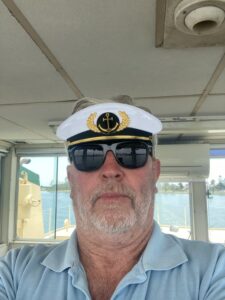
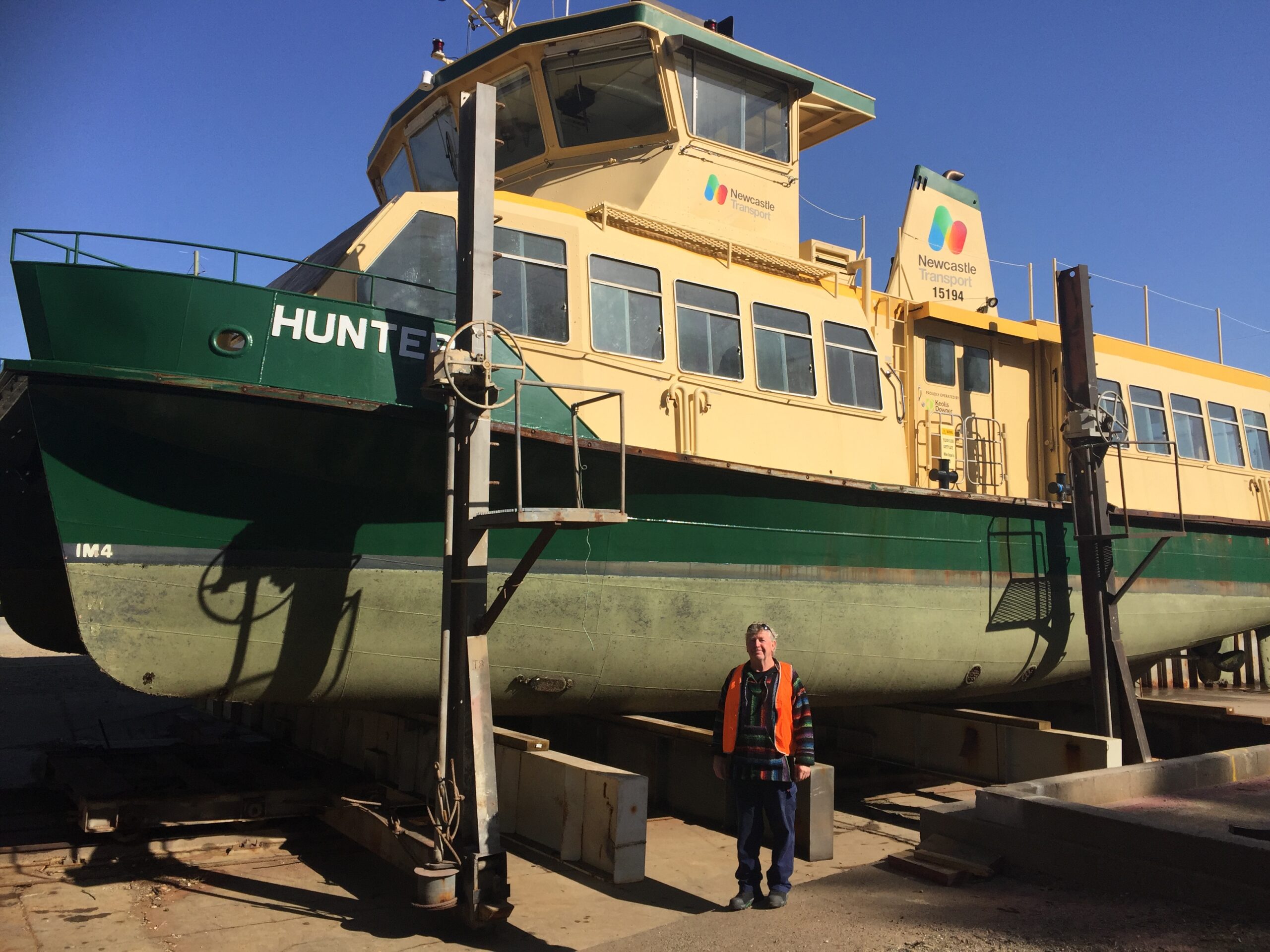
Ferry Master Butch, 64, has been captaining the Stockton Ferry for the past 15 years.
Growing up in Birchgrove near Snail Bay in Sydney Harbour, he learnt to sail when he was just eight years old.
Before long, he was sailing competitively and raced as an amateur well into his late teens.
“I wanted to do it as a profession but it’s tough to make a living,” he says.
A friend suggested he try ship plumbing as a way to find stable work in the marine industry.
“I did my ship plumbing apprenticeship, as well as learning domestic plumbing at TAFE,” says Butch.
From 24, he ran his own plumbing business and eventually launched fishing charters out of Port Stephens.
It was around age 50 when the body aches of a life in a physical trade caught up with him.
“I started to look for a way to transition into early retirement. I was already a qualified Master 4 and Marine Engine Driver. When I saw a casual ferry master job advertised, I thought I’d give it a go,” says Butch.
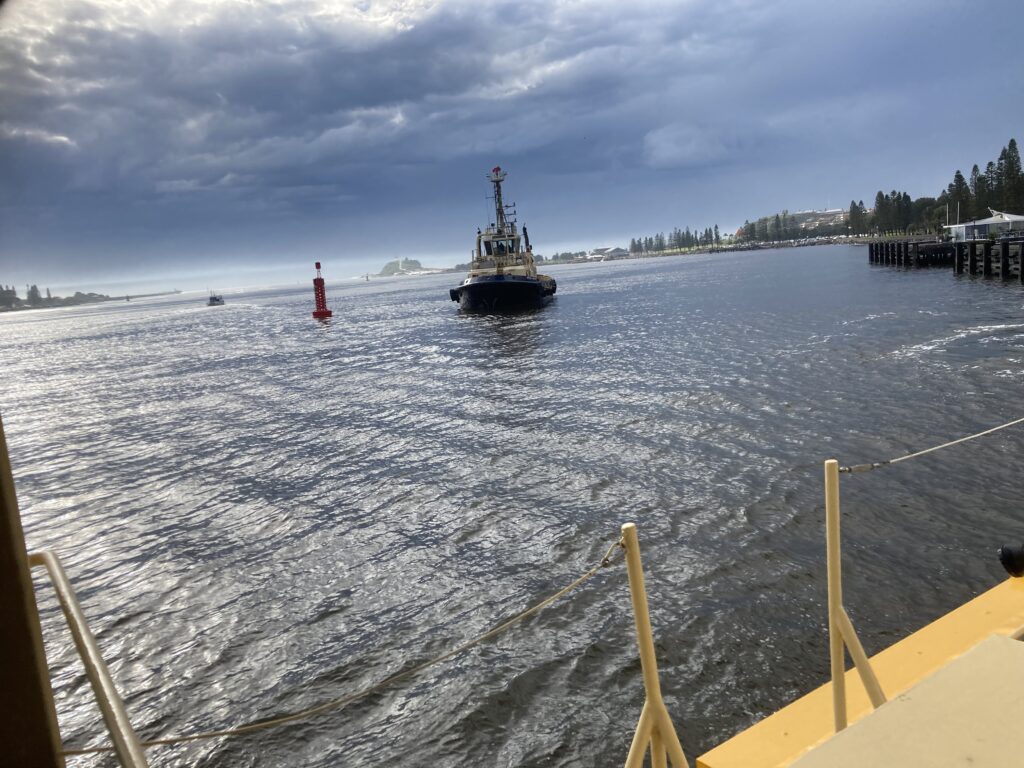
While he concedes that ferry life has its challenges – namely getting up at 3am for a morning shift – he says that he gets to see the best sunrises and sunsets.
“It’s cold in winter but there’s a heater in the wheelhouse,” says Butch.
For anyone wanting to pursue a career in it, he recommends getting your sea time up as a deck hand and then getting the necessary qualifications.
The world’s second most dangerous race: The Sydney – Hobart
As a race veteran, Butch has sailed this iconic race three times in 1986, 2023 and 2025.
The Fast Net Race in the Irish Sea is the world’s toughest ocean race, with the Sydney – Hobart coming a close second.
He was 24 years old when a yacht owner first gave him the chance of a lifetime.
“He gave me the keys to his boat, told me to train a crew and pick him up from Birkenhead Point on Boxing Day,” says Butch.
That first race was ‘horrible’.
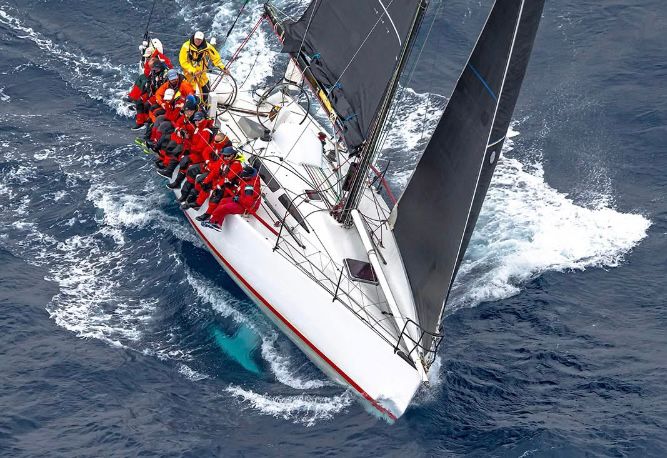
The eight-person crew raced on a 33ft yacht with waves breaking across the deck.
“We spent five cold and wet days in the same saturated clothes. It’s a real test of mental and physical endurance,” says Butch.
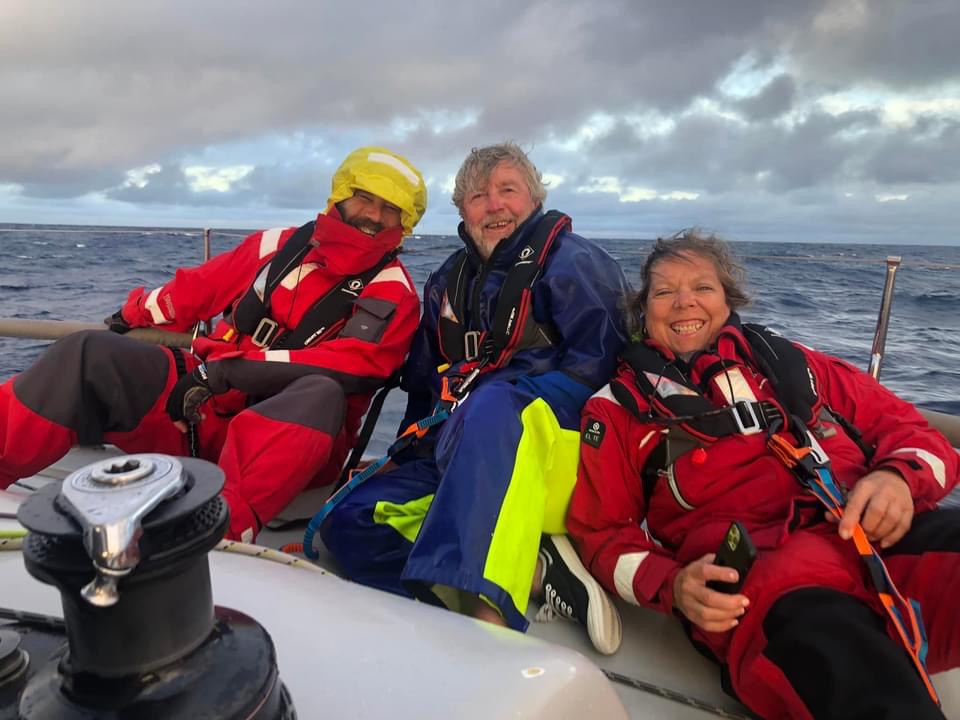
The subsequent races were both just as tough, racing at speeds of up to 27 knots in a yacht called ‘She’s the Culprit’.
The 12-strong crew did shifts, with a navigator and boat captain keeping them on track.
Even though it only took three days to finish, Butch says that their wet weather gear leaked and they spent the 2023 race tacking straight on into a southerly which meant the bow of the boat was punching against waves the entire time.
“All yachts are equipped with orange safety sails but I’ve never used them before. We used them four times in that race because we were getting 52 knot wind strength. A few days later, a cyclone hit Mission Beach in Queensland. Even they didn’t get 52 knot winds,” he says.
Butch’s team won their division in the 2023 race but got stuck for six hours in a no wind area in the 2025 race.
“We probably would’ve come second if it hadn’t been for that,” says Butch.
So what do you need to sail the Sydney-Hobart Yacht race, apart from a love of adrenalin?
Butch says you need to complete a Sea Safety course and clock up at least 200 miles of open sea racing to enter.
“In our crew, we’d collectively raced 80 Sydney-Hobarts so there was a lot of experience among us. Noone panics and we always put crew safety first,” says Butch.
Do sailors ever really retire?
Butch says no. Even after he hands over the keys to the ferry for the last time, he will still be out on the water.
“There are always opportunities that come up through the people you know in the industry. Sometimes you’ll be offered working holidays sailing in Cairns or asked to help bring yachts back from New Zealand.
“When I’m not doing that, I’ll be fishing with my wife Kez, camping, snorkelling and scuba diving with my grandkids. I’ll also be sailing the Sydney-Hobart Yacht Race again,” says Butch.